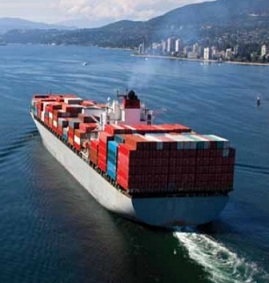
DG cargo requires special care after they are loaded on board ship. The containers carrying DG cargo need proper documentation. The article here is about procedures and guidelines on such cargo documents.
It is the declaration that *SHIPPER submits to the shipping company in the shipment of the *DANGEROUS CARGOS, and the specific of a cargo, quality, contact, and the solution for the occurrence of an accident, etc. are filled in the particularizing. This document is submitted at discharging Port, and the discharge may not be permitted if there are mistakes or flaws. The entry items and methods are specified in detail, and this must be followed.
(PROPER SHIPPING NAME)
Dangerous goods include all substances of an inflammable nature which are liable to spontaneous combustion either in themselves or when stowed next to other substances and, when mixed with air, are liable to generate explosive gases or produce suffocation or poisoning.
Alternatively, tainting of foodstuffs.
Documents relating to dangerous (DG) cargo on board are subject to scrutiny by port officials, PSC inspectors, and other concerned parties. Thus any irregularities in such documentation may result in fines, detention, or other such severe implications for the vessel.

- The vessel must own a valid Document of compliance with special requirements for ships carrying dangerous goods. The appendix to this document will contain information indicating class wise allowable locations for stowage of dangerous goods on board.
- Each dangerous cargo shipment shall be accompanied by a Dangerous Goods List or Manifest. This manifest should be set out under the pertinent regulation of SOLAS and MARPOL conventions and the IMDG code. DG Manifests shall be filed on board and maintained load port wise.
- Each hazardous cargo shipment should also be accompanied by a Dangerous Goods Declaration.
It is a signed certificate or declaration that the consignment, as offered for carriage, is adequately packaged, marked, labeled or placarded as appropriate and in proper condition for carriage.
This declaration may be combined with the container packing certificate as required by the pertinent regulation of SOLAS and MARPOL conventions and the IMDG code. DG Declarations shall be filed on board and maintained discharge port wise.
- When dangerous goods are carried on board, appropriate information shall be immediately available at all times for use in emergency response to accidents and incidents involving dangerous goods in transport.
This information may be in the form of separate documents, safety data sheets or the Emergency Response Procedures for Ships Carrying Dangerous Goods (EMS Guide) for use in conjunction with the transport document and the Medical First Aid Guide for Use in Accidents Involving Dangerous Goods (MFAG).
- Where required for reporting to port authorities, the Chief Officer shall prepare an updated dangerous cargo list. This list shall contain at least the following information:
Stow position, Container number, Line operator, Port of loading/discharge, DG class, UN number, proper shipping name, weight, flash point, and EMS. Such list for reporting to authorities shall be made with utmost caution.
- The Chief Officer should prepare a copy of the dangerous cargo stowage plan (indicating DG class & location) along with a dangerous cargo list (indicating Location, Container number, DG class, and UN number). These, along with any particular guidelines from shippers, shall be kept on Bridge (for ready reference of the watchkeeping officer) and in Fire wallets at gangways.
- The Chief Officer obtain Container packing certificate from shipper or agent.
Certificate indicating correct loading of a dangerous goods container and the observance of the regulations set out in the IMDG Code (International Maritime Dangerous Goods Code). The container packing certificate is issued by the person responsible for packing the container.
Related articles
How to handle dangerous cargo onboard containership
DG cargo handling Procedures & Guidelines
Container handling additional guideline:
Stacking Weights Restrictions
Lashing strength calculation
Dangerous goods stowage and segregation
Reefer Container Stowage
Out of Gauge Container Stowage
Special Container Stowage
20 or 40 or 45 feet Compulsory Stowage Locations
Irregular Stowage of Containers
Over-stow of Containers
Hatch Cover Clearance (High cube containers Under Deck )
Other matters regarding cargo stowage as necessary
How to load maximum number 20 feet container on deck ?
What are the extra precaution should be taken prior loading a 45 feet container on deck ?
Container damage in ''2 in 1'' cargo Operation
Modern containership & loading of various container types
How to load containers coming in different forms/sizes
Our additional pages contain somewhat larger lists of resources where you can find useful informations

Other info pages !
Ships Charterparties Related terms & guideline
Stevedores injury How to prevent injury onboard
Environmental issues How to prevent marine pollution
Cargo & Ballast Handling Safety Guideline
Reefer cargo handling Troubleshoot and countermeasures
DG cargo handling Procedures & Guidelines
Safety in engine room Standard procedures
Questions from user and feedback Read our knowledgebase
Home page
ShipsBusiness.com is merely an informational site about various aspects of ships operation,maintenance procedure,
prevention of pollution and many safety guideline. The procedures explained here are only indicative,
not exhaustive in nature and one must always be guided by practices of good seamanship.
Site Use and Privacy - Read our privacy policy and site use information.
//Home //Terms and conditions of use
Copyright © shipsbusiness.com All rights reserved.