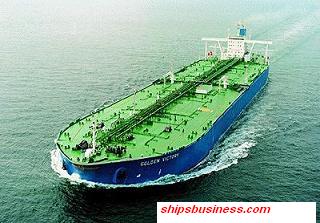
Tanker operation : matters that require attention while loading and discharging oil and ballast water


Bunker barges at Port klang anchorage


Restriction of carriage of oil and water ballast

Operation of oil tankers involved many hazards. The provision of MARPOL 73/78, ANNEX I implies restriction of Loading Water Ballast into Cargo Tanks

The annex explained ballast may only be carried in cargo oil tanks or fuel oil tanks if necessary in order to prevent serious structural damage (eg. Heavy weather), or to prevent serious human casualties or loss of human life.


Control Of Discharge Of Oil Or Oily Mixture

Emergency:

Cargo oil or oily mixtures may not be discharged into the marine environment unless:

*Such discharge of oil is a result from structural damage to the vessel or its equipment and all reasonable precautions have been taken to prevent the discharge of oil.

*It is necessary in order to prevent serious structural damage or to prevent serious casualties or the loss of human life.

Routine:

Oily mixtures may be discharged only when the latest discharge criteria as per MARPOL ANNEX I satisfied in all respects.

Where Oil or Oily Mixture (Washing Water, Bilge, and Ballast Water that Contains Cargo Oil) in the Cargo Tank Area (including the Pump Room) is discharged according to the Provisions of Article

For discharge of bilge and other oil in the machinery space, follow the Procedures for Treatment of Waste Oil and Oily Bilge


Control Of Discharge Of Oily Mixture Originating From Cargo Oil From Tankers

In Special Areas as defined in the latest revision of MARPOL 73/78 Annex I. Discharge is prohibited, except segregated or clean ballast water, as governed under MARPOL ANNEXE I

Other Waters than Special Areas
Discharge is only permitted in accordance with the latest revision of MARPOL 73/78 ANNEX I

Method of Discharge Segregated Ballast:
Segregated ballast water may be discharged below the waterline after the water surface has been inspected and found free from oil at starting of operation.

The ballast water may be discharged by use of ballast pumps or by gravity while in port, at off shore terminals or at sea.

Local requirement for ballast water treatment (Management) shall be complied with. Take adequate measures to prevent water hammering, especially at start of operation.


Related articles:

Ballast water management system

Oil pollution prevention method

General precautions for tankers


Other Info Pages
Home Our home page
Site Map Page listing for this site.
Site Use and Privacy - Read our privacy policy and site use information.
Contact us

Copyright © 2009 Ships business.com All rights reserved.


Tanker vessel safety guideline - Check items in oil tankers operation

Tanker vessel safety guideline - prior entering cold region

Tanker vessel safety guideline - controlling oil pollution

How to prevent oil spillage