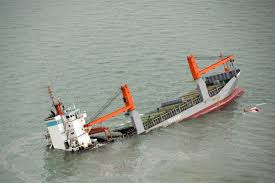
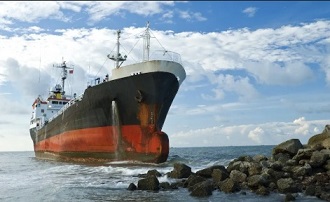
Ships stranding accident handling checklist What is stranding ? Stranding means when a vessel has run aground, it is accidental. In consequence, the double bottom area of the vessel will probably suffer considerable damage, especially if the ground is rocky. This is physically the same action as beaching, but with the significant difference that beaching the vessel is an intentional action and under comparatively controlled conditions, whereas stranding is accidental. Circumstances will vary with different ships,but selecting a convenient position to ‘set down’ will in all probability never arise. In consequence, the double bottom area of the vessel will probably suffer considerable damage, especially if the ground is rocky. The method of procedure to follow on stranding can only be an outline, when one considers how circumstances may vary. Here are some guideline to follow: Prepare records in time series on the matter at the time and after the accident. If another ship is responsible for the accident (e.g. illegal navigation), confirm the name of the ship, ship owner, operator, Master, port of registry, last port, and next port, and tender a claim notice Investigation of stranding conditions Sounding of each tank and hold bilge (carry out periodically). Survey location and extent of damage (as far as possible). Check for oil leakages. Investigation of necessity and possibility for reinforcing water tightness, and if necessary materials are on hand. Investigation of degree and extent of stranding, and list of the hull. Confirmation of current draft.. Survey of nature of the seabed by sounding. Calculation of tide at the time of stranding (Time & height of Tide, and direction & speed of Current). Determination of current GM. Investigation of possibility of self-refloating and urgency of danger Degree and urgency of danger due to change of tidal level. Possibility of re-floating by de-ballasting and discharging FW/DW. Possibility of re-floating by high water. Reduction of GM and safety for vessel after de-ballasting. Possibility of increase in damage by use of engine judging from the stranding conditions and nature of the seabed. Conclusion of salvage contract Access control in compliance with SSP. Check authorization to board. Confirmation of type and contents of the salvage contract (Whether it meets the Master’s request or Company’s instructions). Confirmation of expiration point of salvage contract (Date and Location). Recording of refloating operation Continual recording of weather and sea conditions during salvage operation. Nature of the seabed, and tidal current (direction and speed) at waters around the spot of stranding. Arrival time of salvers, name of salvage boats, time of signature on salvage contract. Details of discussions between the vessel and the salvers. Description of operation at each step, type and quantity of materials used. If cargo is discharged at sea, record of arrangement of G.A. surveyors and details of temporarily unloaded cargo (container numbers, or other details). Work done by the vessel and details of use of engines. Time and place when operation was completed. Recording of crankshaft deflection after re-floating Visitors to the vessel (Interviews with crew members) Usual access control to vessel as per SSP and after Master’s permission Interview to be given only after Company’s permission Note that seaworthiness of the vessel at the time of sailing from last port is an absolute condition for collecting salvage expenses and contesting cargo interest’ claims. Related Information How to deal with stranding How to request salvage contract for a stranded vessel Handling the salvage of another ship,salvage report and towing arrangement Requirement of towing arrangement in oil tankers, readyness, & training onboard Other Info Pages Home Our home page Frequently asked questions from user Read our knowledgebase Site Map Page listing for this site. Site Use and Privacy - Read our privacy policy and site use information. Contact us Copyright © 2009 Ships business.com All rights reserved. |
|